

Why Choose Sport in Y9club
- ⚽
Full Coverage
Follow a wide variety of sports, including football, basketball, and more.
- 📊
Detailed Statistics
Access comprehensive data to help you make informed decisions.
- 🎁
Special Promotions
Earn exclusive bonuses and participate in end-of-year offers.
Monopoly: The Game and Economic Implications
- 🏆
Soccer
Watch live matches and enjoy the best betting options.
- 🏀
Basketball
Dive into the on-court action with exclusive stats and analysis.
- 🎾
Tennis
Bet on international tournaments with competitive odds.
Wild Bounty Showdown: The Ultimate Guide to Gaming Mastery
Discover everything about Wild Bounty Showdown and the Y9club connection. Learn the game's description, introduction, and rules with SEO-rich content.
- 📖
Study team statistics and performance before betting.
- 🕒
Gamble responsibly and set clear limits.
- 💡
Take advantage of seasonal promotions to maximize your earnings.

Monopoly

Understanding Monopoly: The Game and Beyond
Monopoly is a term that resonates with both business enthusiasts and board game lovers. For decades, the word has encompassed the realm of economic dominance as well as one of the most beloved board games of all time. The classic game of Monopoly is known for its intense buyout strategies, complex money dealings, and players' relentless quest to dominate the market. Understanding the principles behind Monopoly, including Y9club, opens a pathway to exploring how this iconic game mimics real-world economic scenarios.
The Board Game Legacy
The game of Monopoly has maintained its popularity for over a century. Originating in the early 1900s as a tool to demonstrate the inequalities fostered by monopolistic markets, it quickly transformed into a family pastime. The primary goal of the game is simple—control the market and drive competitors to bankruptcy. Each player strategically acquires properties, takes risks with investments, and navigates the chance of luck. Beyond the dice rolls and colorful play money, the estate competition in Monopoly mirrors real-world economic strategies.
Monopoly Gameplay: Tactics and Strategies
Playing Monopoly effectively requires more than haphazard purchasing of properties. Seasoned players recognize the need for strategic planning. A well-balanced acquisition of properties, investing in houses and hotels, and managing cash flow are essential in the quest to emerge as the monopoly holder. Each decision has long-term implications, from the income generated by properties to the potential for bankruptcy.
The optimal strategy requires an understanding of property values. Famous selections like Boardwalk and Park Place carry high appeal due to their potential for higher rent values. However, savvy players often focus on the high-traffic areas with moderate prices that offer a balance of cost and income potential. The focus on maximizing income while minimizing risks reflects the economic principles of real monopolistic markets.
The Economic Principle of Monopolies
In the economic world, a monopoly occurs when a single entity dominates a particular market, controlling prices and excluding competition. Monopolies can occur naturally, driven by innovation or market dominance, or artificially, enforced by legislation and regulations. The primary characteristic of a monopoly is its ability to influence prices, often leading to higher costs for consumers.
Real-world examples of monopolies include significant historic events where companies dominated industries, affecting market dynamics. In modern times, although stringent regulations aim to avoid monopolistic dominance, tech giants occasionally face scrutiny over their market practices. The mechanics of economic monopolies align with the strategies essential in the board game version—a singular control over market dynamics to ensure maximum profit.
Y9club: The Digital Monopoly
As digital media continues to evolve, platforms like Y9club represent a growing segment of the electronic gaming world. This digital rendition of Monopoly introduces new elements and strategies, adapting to the changing landscape of gaming and technology. With the rise of online play, players can experience Monopoly in a digital environment, encountering unique challenges not possible on the traditional board.
Y9club offers an immersive experience where users can connect with global competitors, strategically outmaneuver opponents, and explore new variations of the classic game. This platform demonstrates how the blend of tradition and digital innovation can redefine entertainment experiences for players worldwide.
The Impact of Digital Adaptations
Digital adaptations of Monopoly, like Y9club, change the way users interact with the game. Online gameplay negates geographical limitations, facilitating connections across the globe. These platforms incorporate innovative features, from online leaderboards to customizable rules, expanding the scope of gameplay strategies.
The digital transformation of Monopoly also introduces the game to a new generation of players, potentially altering perceptions of its complexity and economic principles. As players engage with online versions, they practice negotiation skills, learn resource management, and experience the effects of investment—all relevant skills in today’s economy.
Conclusion
Monopoly remains a timeless representation of both fun and economics. Whether played on classic boards or through platforms like Y9club, its principles of market dominance and strategic planning provide educational insights into the nature of monopolistic markets. For those looking to refine their understanding of economic influence or simply enjoy a strategic challenge, the lessons of Monopoly are as relevant today as they were at its inception. The universe of Monopoly is vast, intriguing, and endlessly entertaining.
Media Reports
-

Explore the dynamic universe of EpicLegends, a groundbreaking game that captivates players with its immersive gameplay and intricate rules, now making waves in the Y9club gaming community.
-

Dive into the exciting world of EnergyJoker, a game that blends strategy and entertainment, with insights on how Y9club is shaping its community.
-

Explore the thrilling world of TheBeltOfChampion, a game that combines strategy and skill, and discover how it's capturing the attention of gamers worldwide.
-

Dive into the exciting world of RushFeverSodaPop, a captivating game that blends unique challenges with soda-themed fun, backed by the vibrant Y9club community.
-

Explore the captivating universe of Pinkjoker and the vibrant community of Y9club in this detailed game description and introduction.
-
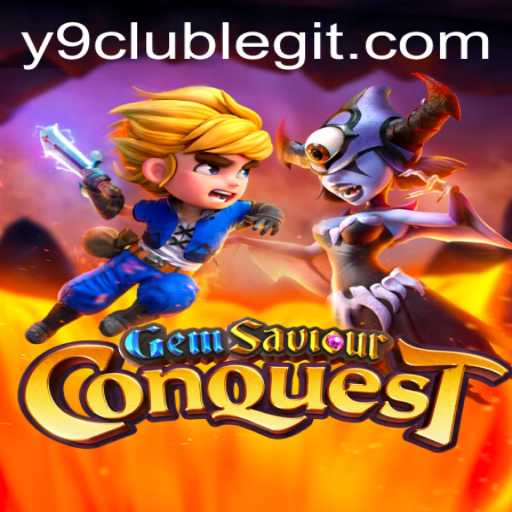
An in-depth exploration of GemSaviourConquest, its gameplay, introduction, and engaging rules, set against the backdrop of current events.
-

Explore the captivating game of GRANDBLUE, its introduction into the gaming scene, detailed gameplay, and latest developments involving the Y9club.
-

Dive deep into the enchanting universe of TreeofLight, an innovative game that immerses players in a mystical journey. Learn about its captivating gameplay and its unique connection with the prominent Y9club community.


